At Velinzi, we believe that dressing well for a wedding is about more than simply following rules—it’s about understanding the setting, the season, and your personal style. For men attending weddings in warm climates, outdoor venues, or relaxed destinations, linen suits for wedding guests have become one of the most practical and stylish options available today.
Linen suits are breathable, lightweight, and effortlessly elegant. They allow you to stay cool during summer weddings while still looking refined and appropriate. Whether you’re attending a beach wedding, a garden ceremony, or a destination wedding, a well-chosen linen suit can strike the perfect balance between comfort and sophistication. In this complete men’s guide, Velinzi will walk you through everything you need to know about linen suits for wedding guests—from dress codes and suit styles to colors, fit, accessories, and common mistakes to avoid. By the end, you’ll know exactly what to wear, when to wear it, and how to style it with confidence.
Are Linen Suits Appropriate for Wedding Guests?

Choosing the right outfit as a wedding guest isn’t only about personal style—it’s about respecting the event’s tone, venue, and dress code. Linen suits often raise questions because they sit between casual and formal. When selected and styled correctly, however, linen can be one of the most appropriate and refined options for modern weddings, especially in warm-weather settings.
When Linen Suits Work Perfectly for Weddings?
Linen suits truly shine in weddings that prioritize comfort, natural surroundings, and seasonal practicality. Their lightweight and breathable structure makes them especially suitable for events held in warmer climates or outdoor venues, where heavier fabrics would feel restrictive. They are an excellent choice for:
- Summer weddings, where heat and humidity are key considerations
- Outdoor weddings, including countryside or open-air venues
- Beach weddings, where relaxed elegance is preferred
- Garden weddings, which often blend formality with a natural aesthetic
- Destination weddings, particularly in tropical or coastal locations
- Daytime weddings, where lighter fabrics and colors feel more appropriate
- Resort or tropical weddings, where breathable wedding guest attire is essential
Because linen allows air to circulate naturally, it helps regulate body temperature throughout long ceremonies and receptions. For wedding guests, this means maintaining a polished appearance without sacrificing comfort—an important balance that linen achieves better than most summer fabrics.
When Linen Suits May Not Be Ideal
Despite their versatility, linen suits are not a universal solution for every wedding setting. Certain dress codes and event formats call for a higher level of structure and formality than linen can realistically provide. It’s best to avoid linen suits when the dress code specifies:
- Black tie
- Black-tie optional (when the expectation clearly leans formal)
- Ultra-formal evening weddings
In these scenarios, traditional materials such as wool or tuxedo-style tailoring are usually expected. Linen’s natural texture and tendency to wrinkle can appear too relaxed, potentially making the outfit feel out of place.
Understanding Wedding Dress Codes & Linen Suits
Knowing how linen fits into different wedding dress codes is essential for making the right choice. Linen suits perform best when the dress code allows room for interpretation rather than strict formality.
- Casual wedding attire – Linen suits fit effortlessly into this category, offering a refined yet relaxed look.
- Smart casual wedding guest suit – A well-tailored linen suit, paired with dress shoes and a crisp shirt, works exceptionally well.
- Semi-formal or cocktail attire – Opt for a darker linen suit, structured tailoring, and more polished accessories to elevate the look.
- Beach formal or resort wedding attire for men – Linen is often considered the ideal fabric, balancing elegance with climate-appropriate comfort.
Understanding the dress code helps ensure that a linen suit feels intentional and well-considered, rather than underdressed or overly casual. In short, linen suits are appropriate for many modern weddings—but only when the setting, timing, and dress code align. Choosing wisely ensures both comfort and respect for the occasion.
Types of Linen Suits for Wedding Guests
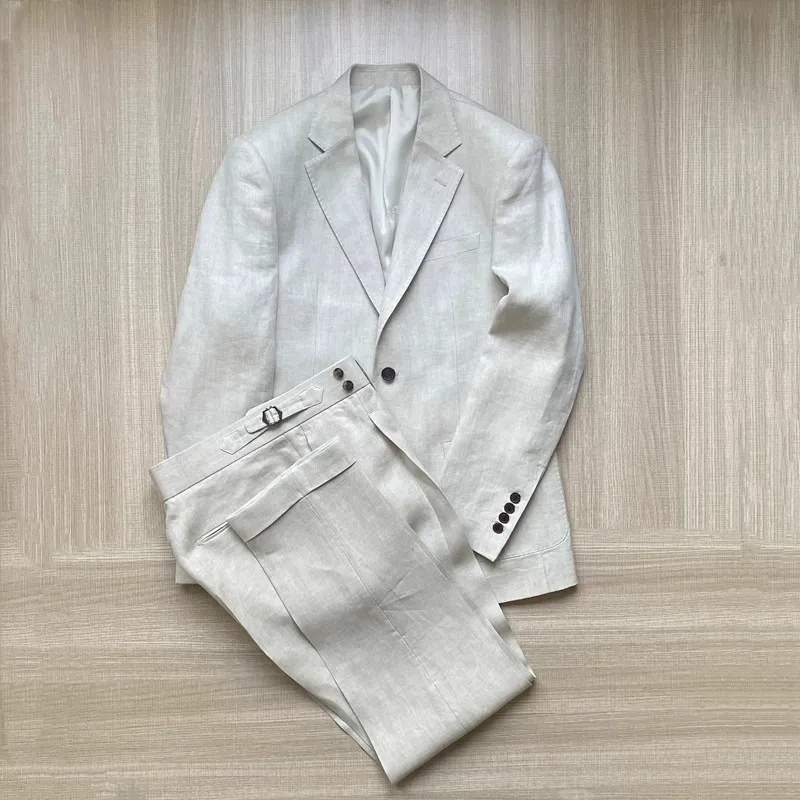
Not all linen suits are created equal. Differences in fabric composition, construction, and overall structure can significantly affect how formal a linen suit looks and how comfortable it feels throughout a wedding day. Understanding these variations helps wedding guests choose a linen suit that aligns with both the dress code and the venue, rather than relying on linen as a one-size-fits-all option.
100% Linen vs Linen Blend Suits
A 100% linen suit is the purest expression of the fabric. It is exceptionally breathable, lightweight, and well-suited for hot or humid environments. This type of suit works best for relaxed weddings—such as beach, destination, or daytime outdoor ceremonies—where natural texture and ease are part of the aesthetic. The trade-off, however, is wrinkling. Creases appear quickly and are unavoidable, which may feel too informal for certain settings. Linen blend suits, on the other hand, are designed to solve this exact issue. Common blends include:
- Linen-cotton suits, which feel slightly softer and hold their shape better
- Linen-viscose suits, which drape more smoothly and resist wrinkles more effectively
These blends retain much of linen’s breathability while offering a cleaner, more refined appearance. For many wedding guests, linen blends provide the ideal balance between comfort and polish, especially for semi-formal or longer events.
Two-Piece vs Three-Piece Linen Suits
A two-piece linen suit—consisting of a jacket and trousers—is the most versatile and widely accepted option for wedding guests. It adapts easily to different dress codes and allows for simple styling adjustments, such as adding or removing a tie, depending on the formality of the event.
A three-piece linen suit, which includes a waistcoat, can be appropriate for semi-formal or cocktail weddings when styled carefully. The key is restraint: the fabric should remain lightweight, and the fit should be clean and well-tailored. Heavy construction or overly tight fits can make a linen three-piece suit look bulky, working against the fabric’s naturally relaxed character.
Structured vs Unstructured Linen Suits
Unstructured linen blazers are defined by minimal padding and a softer silhouette. They offer a modern, effortless appearance and work particularly well for casual, beach, or destination weddings where comfort and movement are priorities.
Structured linen suits, with added lining and subtle shoulder definition, present a more formal look. These suits are better suited for cocktail or semi-formal wedding settings, where a sharper outline is expected but heavy fabrics would feel out of place.
The right type of linen suit depends on how formal the wedding is meant to be. Choosing the correct fabric blend, suit construction, and structure ensures that linen feels intentional, appropriate, and refined rather than overly casual.
Best Linen Suit Colors for Wedding Guests
Color choice plays a crucial role in how appropriate and refined a linen suit appears at a wedding. While linen itself already conveys a relaxed elegance, the right color can elevate the look, align it with the wedding’s tone, and ensure it feels respectful to the occasion. Understanding which shades work best—and which to avoid—helps prevent common styling missteps.
Safe & Classic Colors
Certain linen suit colors have proven to be consistently reliable across different wedding settings. These shades are understated, versatile, and easy to style, making them suitable for most daytime and warm-weather weddings. Timeless options include:
- Beige linen suit for wedding guests
- Cream linen suit
- Light grey linen suit
- Sand-colored linen suit
- Neutral linen suit tones
These colors reflect light well, complement outdoor and natural environments, and pair effortlessly with white, light blue, or pastel shirts. They are particularly effective for daytime ceremonies, where softer hues look more natural and intentional than darker alternatives.
Bold but Wedding-Appropriate Options
For guests looking to introduce more personality without crossing into overly casual or distracting territory, slightly bolder colors can work when chosen carefully. Well-balanced options include:
- Navy linen suit for weddings, which offers a more polished feel while remaining seasonally appropriate
- Pastel linen suits, such as light blue or sage green, ideal for spring or destination weddings
- Earth-tone linen suits, including muted browns or soft olive shades, which blend well with garden and outdoor settings
These colors add visual interest while maintaining harmony with the wedding environment, especially in destination, resort, or garden venues.
Colors to Avoid as a Wedding Guest
Even with a versatile fabric like linen, certain colors can feel inappropriate in a wedding context. White or ivory linen suits should generally be avoided unless the couple explicitly allows them, as they risk competing with the bride’s attire.
Additionally, overly dark shades can feel too heavy for daytime or summer weddings, while loud or flashy colors may draw unnecessary attention away from the couple.
Choosing the right linen suit color ensures the outfit feels respectful, cohesive, and well-considered—enhancing the overall appearance without overshadowing the occasion.
Choosing the Right Fit & Style

The fit and overall style of a linen suit determine whether it appears intentionally elegant or unintentionally sloppy. Because linen is a naturally relaxed fabric, precision in fit and thoughtful styling are essential. Selecting the right silhouette ensures the suit complements the body while maintaining comfort, especially in warm-weather wedding settings.
Slim Fit vs Relaxed Fit Linen Suits
Slim fit linen suits are popular for their clean, contemporary appearance. When executed correctly, they create a sharp profile without sacrificing comfort. However, linen should never feel restrictive. Overly tight cuts exaggerate wrinkles and limit airflow, undermining the fabric’s natural advantages.
Relaxed fit linen suits prioritize comfort and breathability, making them particularly suitable for hot climates, outdoor venues, or destination weddings. A well-designed relaxed fit still looks refined when proportions are balanced and the suit drapes naturally rather than appearing oversized.
In both cases, ease of movement and airflow should always take priority over extreme tailoring trends.
Tailoring Tips for Linen Suits
Regardless of how casual a linen suit may appear, tailoring remains essential. Small adjustments can dramatically improve how the suit looks and feels throughout the event. Key areas to focus on include:
- Proper jacket length, ensuring balanced proportions
- Clean shoulder lines, which define the overall structure
- Correct trouser break, avoiding excess fabric pooling at the ankle
Well-executed tailoring enhances the suit’s silhouette without removing the relaxed character that makes linen appealing in the first place.
Modern vs Classic Linen Suit Styles
Modern linen suits are defined by streamlined cuts, minimal padding, and subtle detailing. These styles work particularly well for contemporary weddings, destination ceremonies, and venues with a relaxed or creative atmosphere.
Classic linen suit styles feature more traditional proportions and conservative details. They are better suited for formal-leaning weddings, traditional settings, or venues where understated elegance is expected.
Choosing the right fit and style allows a linen suit to feel deliberate and appropriate rather than casual by default. When linen is tailored thoughtfully and styled with purpose, it delivers both comfort and refinement in equal measure.
How to Style a Linen Suit for a Wedding?
Styling a linen suit correctly is what separates a well-dressed wedding guest from someone who simply chose a seasonal fabric. Linen already carries a relaxed character, so every styling choice—shirt, tie, shoes, and accessories—should add balance and refinement without making the outfit feel heavy or forced.
Shirts to Wear with Linen Suits
The shirt sets the foundation of the entire look. For weddings, it should feel clean, lightweight, and appropriate for warm-weather settings. The most reliable options include:
- Crisp cotton dress shirts, which provide structure and contrast against linen’s texture
- Lightweight linen shirts, ideal for very hot climates or outdoor ceremonies
Color choice matters just as much as fabric. White, light blue, and soft pastel tones complement linen suits naturally and reflect light, keeping the outfit visually fresh. Heavy fabrics or dark-colored shirts tend to look out of place at summer weddings and can make the overall outfit feel unbalanced.
Ties or No Tie?
Whether to wear a tie depends largely on the wedding’s dress code and overall formality.
- With a tie: Best suited for semi-formal or cocktail weddings, where a polished appearance is expected
- Without a tie: Works well for beach, destination, or casual weddings, especially when paired with an open-collar shirt
When a tie is appropriate, knit ties or lightweight silk ties are the most suitable choices. They add refinement without overpowering the relaxed nature of a linen suit.
Shoes That Work Best
Footwear plays a critical role in grounding the outfit. The goal is to stay elegant while remaining seasonally appropriate. Well-matched options include:
- Loafers, in suede or smooth leather, for relaxed and semi-formal weddings
- Derbies, offering versatility across most dress codes
- Oxfords, ideal for more formal settings or darker linen suits
Sneakers and overly casual sandals should generally be avoided, as they disrupt the balance between casual comfort and wedding-appropriate style.
Accessories for a Polished Look
Accessories should enhance the outfit subtly rather than draw attention away from it. A pocket square adds visual interest, while leather belts or suspenders help define the silhouette. Minimalist watches maintain elegance without distraction, and sunglasses can be practical and stylish for outdoor ceremonies when chosen conservatively.
When styled thoughtfully, a linen suit feels intentional, refined, and perfectly suited to the wedding environment—never underdressed, never overstated.
Linen Suits for Different Wedding Settings

The setting of a wedding has a direct influence on how a linen suit should be styled. While linen is naturally versatile, adjusting color, construction, and accessories to match the environment ensures the outfit feels appropriate rather than generic. Each wedding setting carries its own expectations, even when the dress code appears relaxed.
Beach Wedding Guest Linen Suit Ideas
Beach weddings favor simplicity, lightness, and ease. Linen suits work exceptionally well here because they align with the casual elegance typically expected in coastal settings.
- Light-colored linen suits, such as beige, cream, or sand tones, which reflect sunlight and complement seaside surroundings
- Open-collar shirts, allowing the outfit to feel relaxed without appearing sloppy
- Loafers or refined dress sandals, when explicitly appropriate, to maintain comfort on sand or boardwalk surfaces
The focus should remain on breathable fabrics and uncluttered styling that respects the informal nature of a beach ceremony.
Garden & Outdoor Weddings
Garden and outdoor weddings often strike a balance between formality and natural aesthetics. Linen suits can be styled to reflect this balance with thoughtful color choices and refined details.
- Soft neutral or pastel colors, which blend naturally with greenery and floral settings
- Semi-formal styling, such as a tailored jacket and polished footwear
- Coordinated accessories, including pocket squares or belts that complement the environment without overpowering it
This approach keeps the look elevated while remaining suitable for open-air venues.
Destination & Tropical Weddings
Destination and tropical weddings present practical challenges alongside stylistic ones. Travel, heat, and humidity all play a role in outfit selection. Recommended options include:
- Travel-friendly linen suits, designed for comfort and ease of movement
- Linen blends, which help reduce wrinkles during transit
- Easy-to-pack separates, allowing flexibility and efficient packing
When chosen with these considerations in mind, a linen suit adapts seamlessly to destination weddings, offering both style and practicality. Adapting a linen suit to the wedding setting ensures it feels intentional and well-considered, enhancing both comfort and overall presentation throughout the event.
Comfort, Wrinkling & Practical Considerations
When choosing a linen suit for a wedding, comfort and practicality are just as important as appearance. Linen is often associated with wrinkles, but understanding how the fabric behaves—and how to manage it—helps set realistic expectations and ensures confidence throughout the event.
Do Linen Suits Wrinkle Too Much?
Wrinkling is an inherent characteristic of linen. Unlike smoother fabrics, linen creases naturally as it moves, which contributes to its relaxed and authentic look. In the context of summer or outdoor weddings, these wrinkles are generally seen as part of the fabric’s charm rather than a flaw. The key is accepting a lived-in elegance rather than aiming for a perfectly pressed finish that linen is not designed to maintain.
How to Reduce Wrinkles?
While wrinkles cannot be eliminated entirely, they can be managed effectively with the right approach.
- Choosing linen blend suits helps improve wrinkle resistance while preserving breathability.
- Steaming instead of ironing relaxes the fibers without flattening the fabric’s natural texture.
- Hanging the suit immediately after travel allows creases to fall out naturally before the event begins.
These simple steps keep the suit looking intentional and well-maintained without fighting against the nature of linen.
Breathability & All-Day Comfort
One of linen’s greatest strengths is its ability to regulate temperature. Linen allows air to circulate freely, making it one of the best fabrics for summer wedding suits. This breathability helps maintain comfort during long ceremonies, outdoor receptions, and extended celebrations, where heavier fabrics would quickly become uncomfortable.
When comfort, airflow, and practicality are prioritized, linen proves to be a reliable and stylish choice for warm-weather weddings, delivering ease without compromising overall presentation.
Linen Suit vs Other Summer Wedding Suit Fabrics
Choosing the right fabric is just as important as choosing the right suit style for a summer wedding. While linen is a popular option, it’s often compared with other warm-weather fabrics like cotton and lightweight wool. Understanding the strengths and limitations of each helps ensure the suit aligns with both the climate and the wedding’s level of formality.
Linen vs Cotton Suits
Linen and cotton are frequently grouped together as summer fabrics, but they serve different purposes in a wedding context.
- Linen suits are known for their exceptional breathability and natural texture. The open weave allows heat to escape easily, making linen ideal for hot, humid environments and outdoor weddings. The visible texture gives linen a relaxed, lived-in appearance that works best for casual to semi-formal settings.
- Cotton suits, by comparison, feel smoother and slightly heavier. They hold their shape better and wrinkle less aggressively, resulting in a cleaner, more structured look. Cotton can be a good alternative for weddings that lean slightly more formal but still take place in warm weather.
Linen vs Lightweight Wool Suits
Lightweight wool is often misunderstood as unsuitable for summer, but modern wool fabrics can be surprisingly breathable.
- Lightweight wool suits offer a refined, polished appearance and are better suited for weddings with stricter dress codes or evening receptions. Wool drapes more cleanly and maintains structure throughout the day, which can be important for formal settings.
- Linen suits, however, outperform wool in extreme heat. They are lighter, more breathable, and better suited for casual, outdoor, or destination weddings where comfort takes priority over sharp structure.
The best choice ultimately depends on two factors: the formality of the wedding and the climate in which it takes place. Matching fabric to both ensures the suit looks appropriate and feels comfortable from start to finish.
How to Choose the Best Linen Suit for a Wedding Guest?
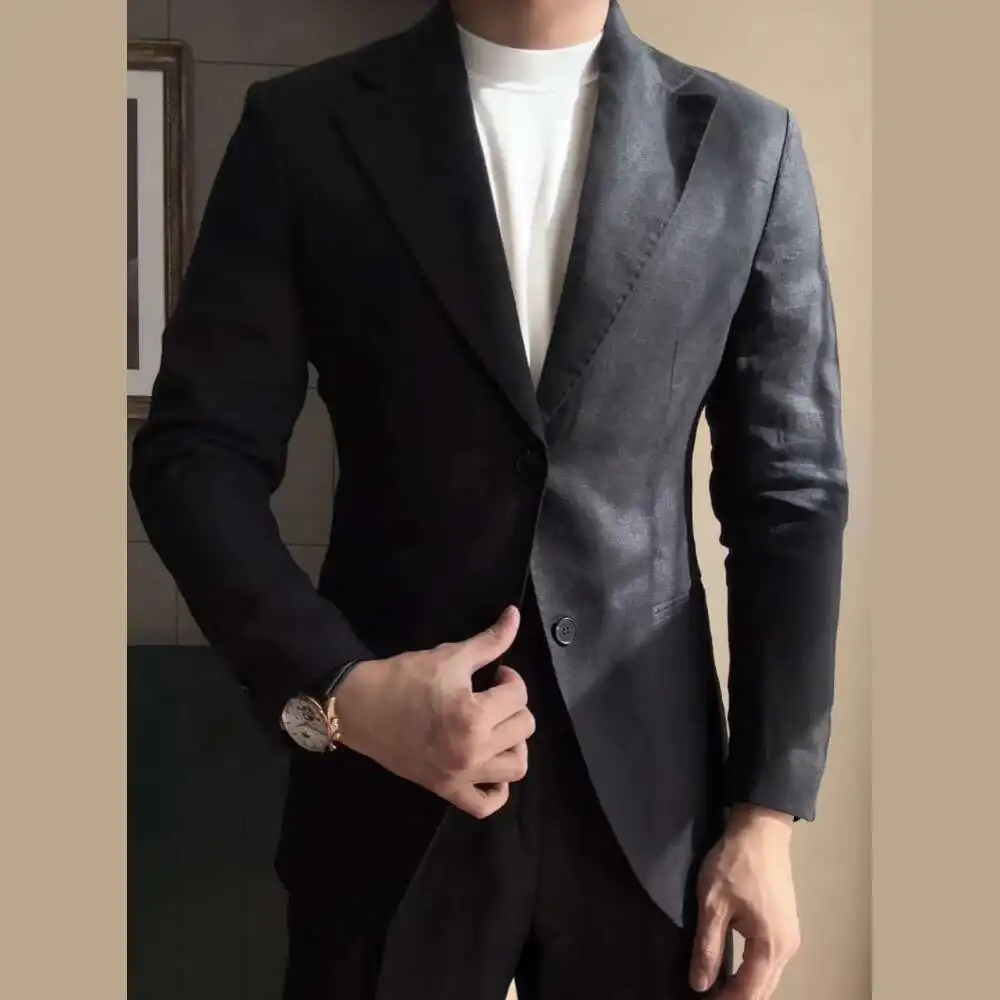
Selecting the right linen suit as a wedding guest requires more than simply choosing a fabric. A well-chosen suit reflects an understanding of the event’s formality, season, and personal priorities, ensuring the outfit feels appropriate rather than improvised.
- Match the Suit to the Dress Code: The dress code should always guide the decision-making process. Casual and smart-casual weddings allow for lighter colors and relaxed tailoring, while semi-formal or cocktail settings call for darker tones, cleaner lines, and more structured styling. Aligning the linen suit with the dress code helps avoid looking underdressed while still benefiting from the fabric’s comfort.
- Choose Season-Appropriate Colors: Color selection should reflect both the time of year and the wedding setting. Light neutrals and soft pastels work well for spring and summer weddings, especially daytime or outdoor events. Slightly deeper shades, such as navy or earth tones, are better suited for later-in-the-day ceremonies or more formal venues. Choosing season-appropriate colors ensures the linen suit looks intentional and well-balanced.
- Consider Budget: Affordable vs Luxury Linen Suits: Budget plays a practical role in the decision. Affordable linen suits can be perfectly suitable for occasional wear, particularly when blended fabrics are used. Luxury linen suits, on the other hand, often offer superior tailoring, fabric quality, and longevity. The right choice depends on how often the suit will be worn beyond the wedding itself.
- Decide Whether to Buy or Rent: For one-time events, renting a linen suit can be a cost-effective solution, especially for higher-quality options. Buying, however, makes more sense when the suit can be reused for future weddings, summer events, or formal occasions. Considering long-term value helps determine which option offers the better return.
Choosing the best linen suit ultimately comes down to balancing formality, season, and practicality. When these elements align, the result is a wedding guest outfit that feels confident, comfortable, and well-considered.
Common Mistakes Wedding Guests Make with Linen Suits
Linen suits can look effortlessly elegant when styled correctly, but they are also easy to misjudge. Many mistakes stem from treating linen as purely casual rather than as a fabric that still requires thoughtful coordination. Avoiding these common missteps helps ensure the outfit feels appropriate and respectful to the occasion.
- Ignoring the Dress Code: One of the most frequent mistakes is overlooking the wedding dress code. Linen suits vary widely in formality depending on color, cut, and construction. Wearing a light, unstructured linen suit to a semi-formal wedding can appear underdressed, while darker, tailored linen may be perfectly acceptable. Aligning the suit with the stated dress code is essential for maintaining the right balance.
- Choosing Overly Casual Fits: Linen naturally has a relaxed drape, but that does not mean it should look loose or careless. Overly casual or poorly fitted linen suits can appear sloppy rather than stylish. Proper fit—especially at the shoulders, jacket length, and trousers—ensures the suit looks intentional and refined.
- Wearing White Linen Suits Without Approval: White or ivory linen suits often create confusion. While visually striking, they can unintentionally draw attention away from the couple or conflict with traditional wedding etiquette. Unless explicitly approved by the couple or specified in the dress code, these shades are best avoided by wedding guests.
- Pairing with the Wrong Shoes: Footwear can either elevate or undermine a linen suit. Pairing linen with overly casual shoes—such as sneakers or beach sandals—often disrupts the overall balance of the outfit. Wedding-appropriate options like loafers, derbies, or refined oxfords help maintain cohesion and polish.
Being mindful of these common mistakes allows a linen suit to feel purposeful and well-styled. With careful attention to fit, footwear, and dress code, linen becomes a strong and reliable choice for wedding guest attire.
FAQs – Linen Suits For Wedding Guests
Questions around linen suits and wedding etiquette are common, particularly because linen sits between casual and formal wear. Clarifying these points helps wedding guests make confident choices that feel appropriate for both the setting and the dress code.
Are linen suits too casual for weddings?
Linen suits are not inherently too casual for weddings. They are well-suited for casual, smart-casual, and semi-formal weddings when styled with proper tailoring, appropriate colors, and refined accessories. The key lies in avoiding overly relaxed cuts or overly light styling when the wedding calls for a more polished appearance.
Can wedding guests wear linen suits?
Yes, wedding guests can absolutely wear linen suits. They are especially appropriate for summer weddings, outdoor ceremonies, beach weddings, and destination events, where comfort and breathability are essential. In these contexts, linen is often one of the most practical and stylish fabric choices available.
What color linen suit is best for a wedding guest?
Safe and versatile choices include beige, light grey, navy, and cream. These colors adapt well to different venues and lighting conditions while remaining respectful and understated. Selecting the right shade helps ensure the linen suit looks intentional rather than overly casual.
Can you wear a white linen suit as a wedding guest?
In most cases, white linen suits should be avoided unless the couple has explicitly approved them. White and ivory tones can compete visually with the bride’s attire and may conflict with traditional wedding etiquette. When in doubt, choosing a softer neutral is the safer option.
What shoes should you wear with a linen suit to a wedding?
Footwear should match the wedding’s level of formality. Loafers work well for relaxed or outdoor weddings, derbies offer versatility across most settings, and oxfords are best reserved for more formal venues or darker linen suits.
Final Thoughts: How to Look Sharp in a Linen Suit as a Wedding Guest
At Velinzi, we see linen suits for wedding guests as more than a seasonal trend—they are a practical, stylish solution for modern men attending weddings in warm and relaxed settings. When chosen thoughtfully, a linen suit delivers comfort, elegance, and confidence all in one.
By understanding dress codes, selecting the right color and fit, and styling your linen suit with care, you can look effortlessly refined without sacrificing comfort. Whether it’s a beach ceremony, garden reception, or destination celebration, linen allows you to dress appropriately while staying true to your personal style. When done right, a linen suit doesn’t just help you attend a wedding—it helps you belong in it.