When it comes to choosing the perfect outfit for a summer, beach, or outdoor celebration, fabric matters more than most people realize. The wrong material can leave you sweating, uncomfortable, and constantly adjusting your look. That’s why one of the most common questions grooms and guests ask today is: 100% Linen Wedding Suits vs Linen Blend – what’s actually better?
At Velinzi, we’ve seen how the right fabric choice can completely transform both comfort and confidence—especially in warm-weather weddings. Whether you’re attending a tropical destination wedding or planning your own ceremony under the sun, understanding the difference between pure linen vs blended linen suits is essential. In this complete guide, we’ll break down everything you need to know—from breathability and durability to structure, wrinkles, and price—so you can confidently choose the best linen suit for your wedding.
What Is a 100% Linen Wedding Suit?
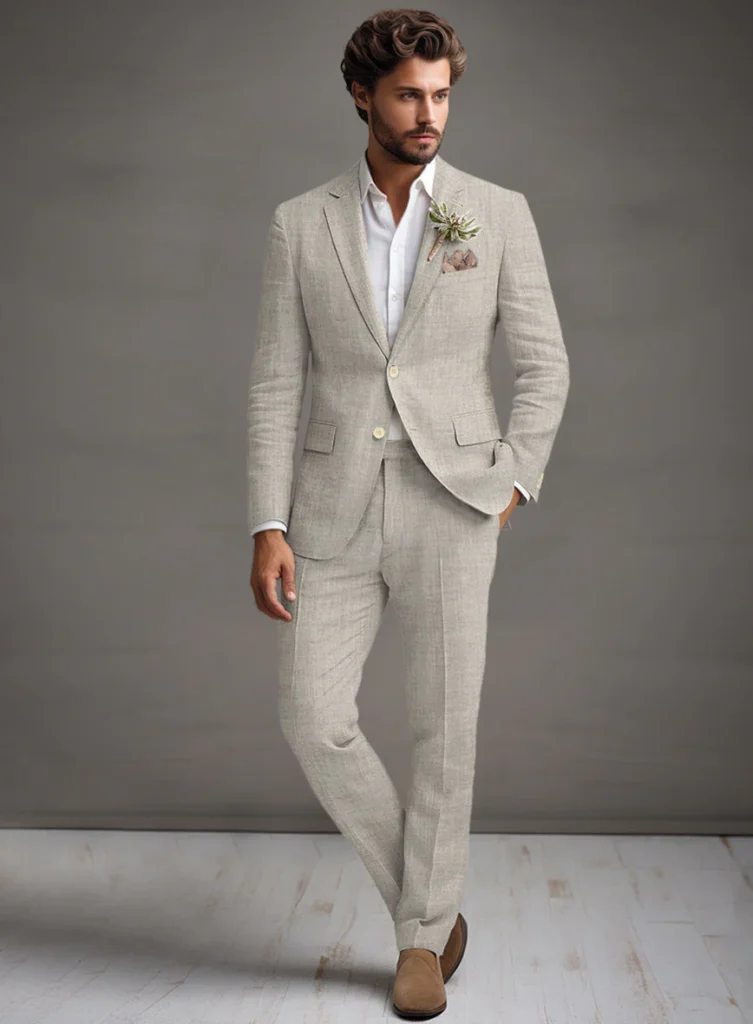
Choosing the right fabric is the foundation of any great wedding outfit—especially when comfort, climate, and style all come into play. To fully understand the debate around 100% Linen Wedding Suits vs Linen Blend, it’s important to start with what makes pure linen so unique in the first place.
How Pure Linen Fabric Is Made?
A 100% linen suit is crafted entirely from fibers derived from the flax plant. This natural linen fabric has been used for centuries due to its durability and exceptional breathability. Unlike synthetic materials, flax linen fiber is eco-friendly and biodegradable, making it a preferred choice for those who value sustainability.
The production process involves extracting fibers from flax stalks, spinning them into yarn, and weaving them into fabric. The result is a textile known for its lightweight structure, natural texture, and cooling properties—perfect for hot weather suits.
- Extremely breathable and airy
- Lightweight and ideal for summer wedding attire
- Naturally textured with visible weave
- Soft yet slightly crisp hand feel
- Relaxed drape that doesn’t cling to the body
These features make 100% linen one of the most popular choices for beach wedding suits and tropical wedding attire for men.
Pros and Cons of 100% Linen Wedding Suits
Pros of 100% Linen Wedding Suits:
- Maximum Breathability: If your wedding is in a hot or humid climate, nothing beats pure linen. It allows airflow linen fabric to circulate freely, helping regulate body temperature.
- Lightweight Comfort: As a lightweight formal wear for men, linen reduces overheating and keeps you comfortable throughout long ceremonies.
- Natural Aesthetic: The slightly wrinkled look gives off a relaxed yet elegant vibe—perfect for casual summer groom suits.
- Ideal for Outdoor Settings: From beach weddings to destination celebrations, 100% linen is designed for environments where comfort is key.
Cons of 100% Linen Suits:
- Wrinkles Easily: The most well-known drawback: linen wrinkles quickly. This “natural wrinkles linen aesthetic” isn’t for everyone.
- Less Structured Look: Compared to other fabrics, linen offers a softer silhouette, which may not suit formal wedding attire.
- Requires Maintenance: Frequent steaming or ironing is needed to maintain a polished appearance.
A 100% linen wedding suit excels where it matters most in warm-weather weddings: breathability, comfort, and effortless style. While it may not offer the sharp structure of other fabrics, its natural texture and cooling performance make it a standout choice for beach, outdoor, and destination weddings. If your priority is staying cool while embracing a relaxed yet refined look, pure linen is hard to beat.
What Is a Linen Blend Suit?
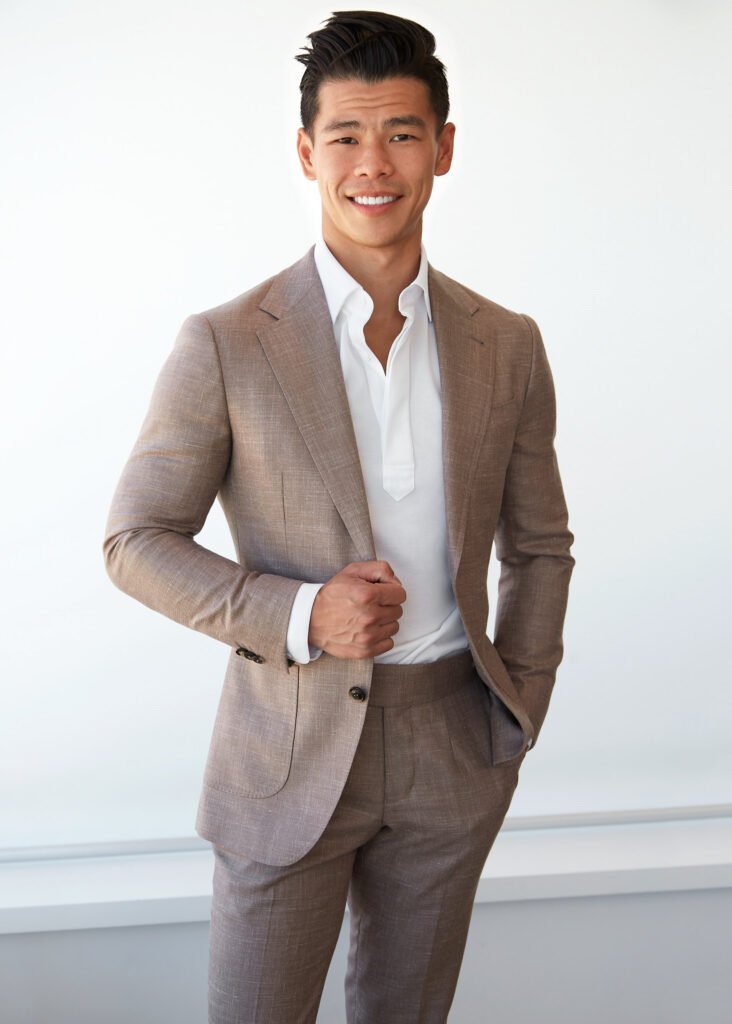
Understanding linen blends is essential if you’re weighing 100% Linen Wedding Suits vs Linen Blend from a practical standpoint. While pure linen focuses on natural performance, blends are engineered to solve its limitations—particularly in structure, wrinkles, and everyday wearability.
Common Types of Linen Blends
Linen blend suits are created by combining linen with complementary fibers to enhance specific qualities like durability, softness, or wrinkle resistance. The most common compositions include:
- Linen + Cotton: Offers a softer hand feel while maintaining decent breathability. This is often the most “natural-feeling” blend.
- Linen + Polyester: Improves wrinkle resistance and durability significantly, though it slightly reduces airflow. Common in affordable, mass-market suits.
- Linen + Viscose (Rayon): Enhances drape and smoothness, creating a more fluid, polished appearance—ideal for modern tailoring.
Each blend shifts the balance between comfort, structure, and maintenance, making it important to check fabric composition rather than relying on the label “linen blend” alone.
- Noticeably more structured than pure linen
- Reduced wrinkling for a cleaner appearance
- Slightly heavier and more stable fabric weight
- Enhanced durability for repeated wear
- Smoother, more refined surface finish
Because of these traits, linen blends are often chosen for formal summer wedding attire, indoor venues, or situations where presentation matters as much as comfort.
Pros and Cons of Linen Blend Wedding Suits
Pros of Linen Blend Wedding Suits:
- Better Structure: From a tailoring perspective, blends hold shape more effectively. This results in a sharper silhouette, making them ideal for those who prefer a structured over relaxed suit fit.
- Wrinkle Resistance: One of the biggest upgrades over pure linen. Blends significantly reduce creasing, which is especially useful for long events or travel-heavy weddings.
- More Accessible Price Point: Compared to premium 100% linen, blends often sit in a more affordable range, offering strong value for money without sacrificing too much performance.
- Versatility Across Settings: Linen blends transition well between casual, semi-formal, and even certain formal environments—making them a flexible choice for different wedding styles.
Cons of Linen Blend Suits:
- Reduced Breathability: Even well-made blends can’t fully match the airflow of pure linen. In hot and humid climates, this difference becomes noticeable.
- Slightly Warmer to Wear: Blends that include synthetic fibers (like polyester) may trap heat, making them less ideal for tropical or beach weddings.
- Less Authentic Linen Texture: While visually refined, blends often lack the raw, organic character of natural linen fabric—something style-conscious buyers may care about.
Linen blend suits are a strategic compromise—offering improved structure, easier maintenance, and broader versatility. They may not deliver the same level of breathability as pure linen, but for many wedding scenarios—especially formal or indoor settings—they provide a more balanced and practical solution.
100% Linen vs Linen Blend – Side-by-Side Comparison
To make a confident decision between 100% Linen Wedding Suits vs Linen Blend, it’s not enough to look at surface-level differences. The real distinction lies in how each fabric performs across comfort, structure, durability, and overall value—especially in real wedding conditions.
Breathability & Comfort
- 100% Linen: Delivers maximum airflow thanks to its loose weave and natural fibers. It acts as a highly effective moisture-wicking suit fabric, making it the top choice for cooling fabric suits in hot and humid climates.
- Linen Blend: Offers moderate breathability, but the inclusion of cotton, viscose, or polyester slightly reduces airflow.
If your wedding takes place in heat or humidity, pure linen has a clear performance advantage.
Wrinkle Resistance
- 100% Linen: Wrinkles easily and quickly—this is inherent to the fiber structure.
- Linen Blend: Significantly more wrinkle-resistant, especially blends with synthetic fibers.
For those prioritizing easy-care wedding suits or minimal maintenance throughout the day, blends are the more practical option.
Structure & Fit
- 100% Linen: Known for its relaxed drape, creating a softer and more natural silhouette.
- Linen Blend: Provides a more tailored, structured look that holds shape better over time.
If your goal is a polished, refined appearance, linen blends outperform pure linen in maintaining structure.
Durability & Longevity
- 100% Linen: Durable in fiber strength but requires careful care to maintain its look and longevity.
- Linen Blend: Enhanced durability due to mixed fibers, making it more resistant to wear and repeated use.
For long-term use or multiple occasions, blends typically offer better durability with less effort.
Price & Value
- 100% Linen: Positioned in the premium segment due to its natural composition and production process.
- Linen Blend: More accessible, with a wide range of budget-friendly options.
For those seeking value for money linen suits, blends provide a strong balance between cost and performance.
Which Fabric Is Better for Different Wedding Types?
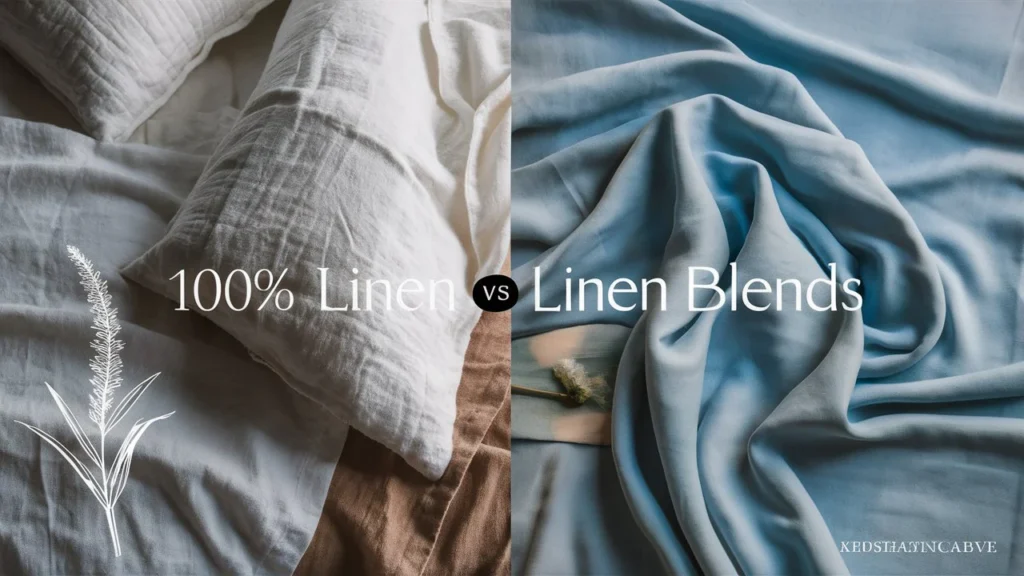
Choosing between linen and linen blends also depends heavily on the setting and environment of the wedding.
- Beach Weddings: For beach wedding suits, 100% linen is unmatched. Its breathability and lightweight nature make it ideal for sand, sun, and sea conditions.
- Outdoor Summer Weddings: Both fabrics can perform well, but climate plays a key role. In dry heat, blends are acceptable. In high humidity, pure linen remains superior.
- Formal or Indoor Weddings: Linen blends are better suited for formal environments. Their cleaner lines and structured finish align more closely with traditional dress codes.
- Destination & Tropical Weddings: For destination wedding suits in hot climates, 100% linen provides superior comfort, especially during extended wear.
Style & Appearance – Which Looks Better?
Beyond performance, visual impact is a major factor when choosing a wedding suit.
Natural Wrinkle vs Polished Finish:
- Linen: Embraces a relaxed, slightly wrinkled aesthetic often associated with effortless elegance.
- Blend: Delivers a crisp, refined finish that appears more formal and controlled.
Fit & Silhouette Differences:
- Linen suits drape softly and move naturally with the body.
- Blends create sharper lines and more defined tailoring.
Color Performance:
- Linen: Tends to produce softer, matte tones due to its natural fibers.
- Blends: Offer richer, more saturated colors with better consistency.
Which One Suits Your Body Type?
Fabric choice can subtly influence how a suit complements different body shapes.
- Slim & Athletic Builds: Both fabrics work well, but linen blends enhance structure and create a more defined silhouette.
- Big & Tall Men: Blends provide better support and shape retention, making them more flattering and durable for larger frames.
- Petite or Short Men: Structured fabrics—like linen blends—help create cleaner vertical lines, contributing to a taller visual effect.
Price Comparison – Is 100% Linen Worth It?
Budget is often the deciding factor, but value goes beyond just the price tag.
- Budget Range (Linen Blends): Ideal for occasional wear or those seeking budget wedding suits for men without compromising too much on appearance.
- Mid-Range Options: Typically include higher-quality blends or partial linen compositions, offering a balance between comfort and durability.
- Premium 100% Linen Suits: Positioned at a higher price point, these suits deliver unmatched breathability, comfort, and a more authentic fabric experience.
- Cost vs Value Breakdown: If the wedding takes place in hot weather, investing in 100% linen often justifies the cost through comfort alone. In contrast, for formal or indoor settings, linen blends may provide better overall value.
The decision between 100% linen and linen blend ultimately depends on priorities: climate, formality, comfort, and maintenance. Pure linen leads in breathability and natural feel, while blends offer structure, durability, and convenience—making each option suitable for different wedding scenarios.
Maintenance & Care Differences
Beyond style and comfort, long-term satisfaction with a suit often comes down to how easy it is to maintain. When comparing 100% Linen Wedding Suits vs Linen Blend, care requirements can significantly influence your decision—especially for travel-heavy or multi-day weddings.
How to Care for 100% Linen?
- Gentle Washing: Linen fibers are strong but can become brittle if handled aggressively. Use cold water and mild detergents to preserve fabric integrity.
- Frequent Steaming: Wrinkles are part of linen’s nature, but regular steaming helps maintain a refined appearance without damaging the fibers.
- Avoid Over-Drying: High heat can cause shrinkage and weaken the fabric. Air-drying or low-heat settings are recommended.
Maintaining 100% linen requires consistency, but the payoff is long-lasting comfort and a naturally elegant look.
How to Care for Linen Blends?
- Easier Washing: Blends are more forgiving and can typically handle standard machine cycles.
- Less Ironing Needed: Thanks to wrinkle-resistant properties, blends require minimal effort to keep presentable.
Linen blends are designed for convenience, making them ideal for those who prefer low-maintenance formalwear.
Travel & Packing Considerations
- 100% Linen: Prone to creasing in luggage, requiring touch-ups upon arrival.
- Linen Blends: More travel-friendly, retaining shape better during transit.
For destination weddings, blends offer a practical advantage unless steaming tools are readily available.
How to Choose the Best Linen Wedding Suit? (Buying Guide)
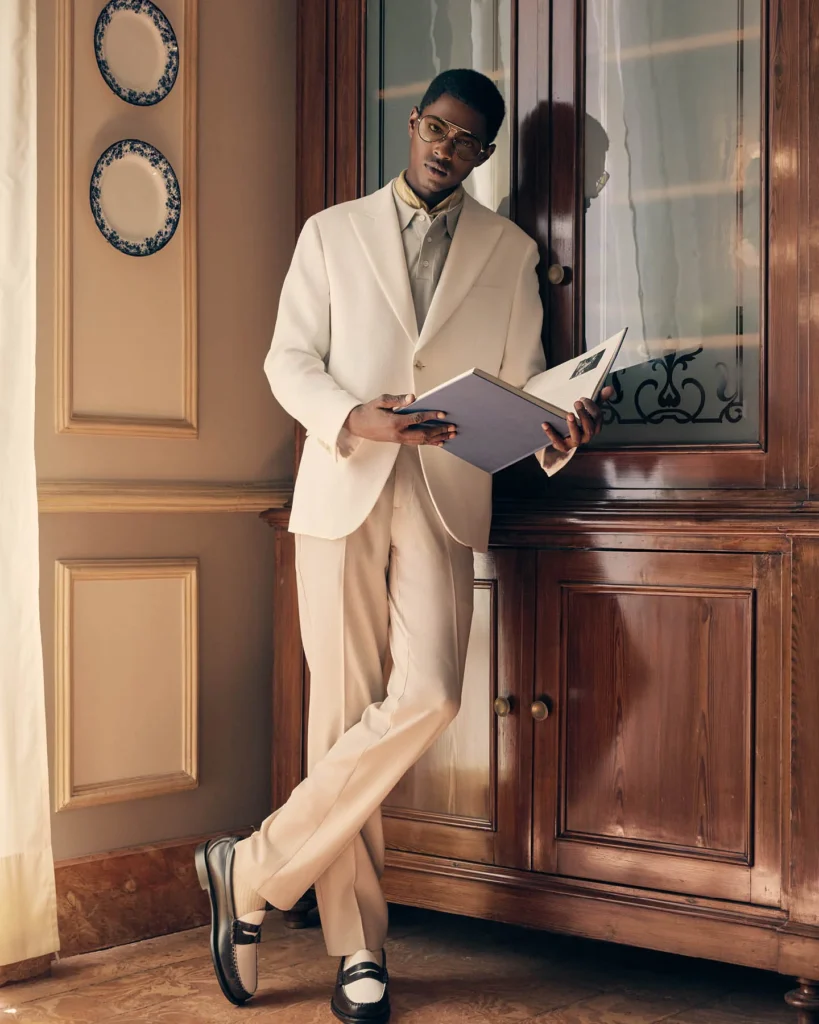
Selecting the right suit involves more than just fabric—it’s about aligning your choice with the environment, dress code, and personal priorities.
Consider the Wedding Climate
- Hot & Humid Conditions: 100% linen excels due to its superior breathability and cooling properties.
- Mild or Controlled Environments: Linen blends perform well without sacrificing too much comfort.
Decide on Formality Level
- Casual or Outdoor Weddings: Linen’s relaxed drape complements informal settings.
- Formal or Indoor Events: Linen blends provide the structure needed for a polished appearance.
Check Fabric Composition: Not all “linen suits” are created equal. Always review the percentage of linen versus other fibers to understand performance expectations.
Focus on Fit First: Regardless of fabric choice, fit remains the most critical factor. Shoulder alignment, sleeve length, and trouser break define how the suit looks overall.
Balance Budget & Comfort: While linen blends are more affordable, sacrificing comfort in hot climates can impact the overall experience. Prioritize function alongside price.
A well-chosen suit balances climate, formality, and personal comfort—not just aesthetics.
Common Mistakes to Avoid
- Choosing 100% linen for highly formal indoor weddings where structure matters
- Underestimating how quickly linen wrinkles during long events
- Opting for low-quality blends that compromise breathability
- Prioritizing price over proper fit and tailoring
- Wearing heavier fabrics instead of lightweight alternatives in summer conditions
Most mistakes stem from ignoring the context of the wedding rather than the suit itself.
Final Verdict – 100% Linen or Linen Blend?
The decision ultimately comes down to how and where the suit will be worn.
Choose 100% Linen If:
- The wedding takes place in a beach, outdoor, or tropical setting
- Breathability and cooling comfort are top priorities
- A relaxed, natural aesthetic is preferred
Choose Linen Blend If:
- A polished, structured look is required
- The event is formal or held indoors
- Ease of maintenance and durability are important
Both fabrics serve distinct purposes. 100% linen delivers unmatched comfort in heat, while linen blends offer structure and practicality. The better choice depends on aligning fabric performance with the specific demands of the wedding environment.
FAQs About Linen Wedding Suits
When comparing 100% Linen Wedding Suits vs Linen Blend, a few key questions often determine the final decision—especially around comfort, wrinkles, and formality.
Is 100% linen too wrinkly for weddings?
Yes, linen wrinkles easily, but that’s part of its natural charm—especially for beach or outdoor weddings. With light steaming, it still looks intentional and stylish rather than messy.
Are linen blend suits cooler than wool?
Yes. Linen blends are lighter and more breathable than wool, making them suitable for summer. However, they’re still slightly warmer than 100% linen.
What is the best fabric for summer weddings?
Linen remains the top choice thanks to its breathability and lightweight feel. For extreme heat, 100% linen performs best.
Can linen suits be formal enough?
Yes. Linen blends offer a more structured, polished look, making them better suited for formal or indoor weddings.
Is linen blend more durable than pure linen?
Generally, yes. Blends are more resistant to wrinkles and wear, making them easier to maintain over time.
Conclusion
Choosing between 100% Linen Wedding Suits vs Linen Blend ultimately comes down to your priorities: comfort vs structure, natural vs polished, premium vs practical. At Velinzi, the philosophy is simple—dress for the environment, not just the occasion. If you’re planning a wedding under the sun or by the sea, nothing beats the breathable luxury of pure linen. But if your goal is a sharp, refined look with minimal maintenance, a linen blend suit may be the smarter investment. Whichever you choose, remember: the best suit isn’t just about how it looks—it’s about how it makes you feel throughout one of the most important days of your life.