A wedding outfit is never just “clothing”—it carries memories, emotions, and sometimes even a significant investment. Linen suits, in particular, are a favorite for weddings thanks to their breathable texture, relaxed elegance, and timeless appeal. However, once the celebration ends, many people overlook one important step: proper aftercare. At Velinzi, we’ve seen countless beautifully tailored linen suits lose their charm simply because they were stored or cleaned incorrectly after a single wedding wear. That’s why understanding How to Store & Care for Linen Suits After a Weddingg is essential if you want your suit to remain fresh, structured, and ready for future occasions.
In this complete guide, we will walk through everything you need to know—from cleaning and wrinkle removal to long-term storage strategies. You’ll also learn professional linen suit maintenance tips, storage mistakes to avoid, and expert fabric care techniques to extend the life of your outfit for years.
Why Linen Suits Require Special Post-Wedding Care?
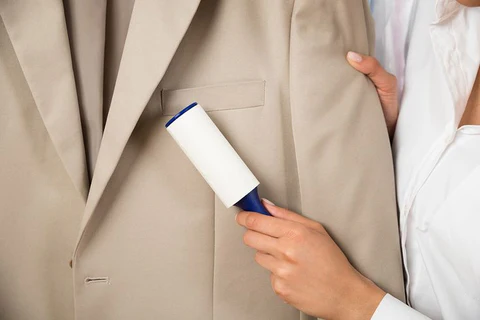
Before learning storage techniques, it’s important to understand why linen behaves differently from other fabrics.
The nature of linen fabric
Linen is a natural fiber made from flax plants. It is highly valued for:
- Breathability in warm weather
- Lightweight comfort
- Elegant, textured appearance
However, it also has a few characteristics that require careful handling:
- It wrinkles easily
- It absorbs moisture quickly
- It loses structure if not stored properly
This means that after a wedding—where movement, heat, and long hours of wear are involved—linen suits need immediate attention.
What happens after wearing a linen suit at a wedding?
After a wedding event, your linen suit is likely to experience:
- Deep wrinkles from sitting and dancing
- Sweat absorption due to body heat
- Exposure to food or drink stains
- Fabric fatigue from prolonged wear
Without proper care, these issues can become permanent, affecting both appearance and longevity.
Step 1: How to Clean a Linen Suit After a Wedding
Cleaning is the foundation of linen suit maintenance guide practices. Before storing your suit, you must ensure it is clean and fresh.
Check the care label first
Every suit is different. Some are:
- 100% linen
- Linen blends (cotton, polyester, wool mix)
- Structured suits requiring dry cleaning
Always check the care label before deciding your cleaning method.
Spot cleaning minor stains
For small stains such as:
- Food drops
- Wine splashes
- Light dirt marks
You can use:
- A damp cloth
- Mild detergent diluted in water
- Gentle dabbing (never rub aggressively)
This helps preserve the natural fibers and prevents spreading the stain.
Dry cleaning linen suits
Dry cleaning is recommended when:
- The suit has heavy stains
- It is a structured blazer set
- You are unsure about fabric composition
Professional cleaning ensures the suit retains its shape and texture.
Can you wash a linen suit at home?
This is one of the most common questions in linen suit cleaning instructions. The answer:
- Machine washing is NOT recommended
- Hand washing is only safe for unstructured or pure linen items
- Always prioritize professional cleaning for formal suits
Improper washing can shrink or distort the fabric permanently.
Step 2: Removing Wrinkles and Refreshing the Suit
Wrinkles are the biggest challenge in post-wedding suit care, especially for linen.
Steaming linen suit properly
Steaming is the safest and most effective method:
- Hang the suit vertically
- Use a garment steamer
- Move slowly from top to bottom
This relaxes fibers without damaging fabric tension.
Ironing linen suit properly
If steaming is not available:
- Use low to medium heat
- Place a thin cloth between iron and fabric
- Iron while slightly damp for best results
Avoid direct high heat as it can burn or shine the fabric.
Natural wrinkle release methods
If you’re traveling or without tools:
- Hang suit in a bathroom with hot steam
- Lightly mist with water spray
- Let gravity pull wrinkles out overnight
These methods are helpful for quick refreshing before next wear.
Step 3: How to Store a Linen Suit Properly?

Proper storage is the foundation of long-term linen suit maintenance and plays a decisive role in preserving shape, texture, and overall elegance after a wedding. Linen is a breathable natural fabric, but it is also highly responsive to environmental conditions, which means incorrect storage can quickly lead to deep creases, distortion, and fabric fatigue.
Best way to hang a linen suit
One of the most reliable practices in professional garment care is using the right hanger system. Linen suits should never be treated like everyday casual wear. For optimal structure preservation, always use:
- Wide padded hangers to distribute weight evenly across the shoulders
- Structured wooden hangers specifically designed for suit jackets
This approach helps maintain the original tailoring lines of the suit. The shoulder structure remains supported, preventing sagging or collapse over time. In addition, proper hanging reduces unnecessary tension on the fabric, which is especially important for linen due to its softer fiber composition.
Folding vs hanging linen suits
A frequent mistake in linen suit storage is folding the garment for convenience. While this may seem harmless in the short term, linen reacts strongly to pressure folds. From a long-term care perspective:
- Folding creates sharp creases that often become permanent over time
- Repeated folding weakens the natural drape of the fabric
- Hanging allows the suit to retain its intended silhouette and airflow
Folding should only be considered in limited travel situations, and even then, the suit should be unpacked and hung as soon as possible to allow the fibers to relax and recover.
Using garment bags for protection
Protective storage is not just about organization—it is about controlling exposure to external factors such as dust, moisture, and air circulation. A suitable garment bag plays a critical role in this process. An ideal garment bag should:
- Allow breathable airflow to prevent moisture buildup
- Protect the suit from dust and external particles
- Reduce exposure to accidental stains or friction damage
It is important to avoid plastic garment covers, as they trap humidity. Over time, this can lead to yellowing, odor retention, and degradation of natural fibers. Breathable fabric-based covers remain the preferred choice for linen suit preservation.
Ideal closet storage conditions
Environmental stability is one of the most overlooked aspects of linen suit care. Even well-cleaned and properly hung suits can deteriorate if stored in unsuitable conditions. For long-term preservation, the storage environment should:
- Remain cool and consistently dry
- Be protected from direct sunlight to prevent fading
- Allow continuous air circulation around garments
- Maintain moderate humidity levels to avoid fiber stress
Closets that are overcrowded or poorly ventilated significantly increase the risk of wrinkling and fabric deformation. Proper spacing between garments ensures that linen maintains its natural drape and breathability.
Step 4: Long-Term Linen Suit Storage Tips
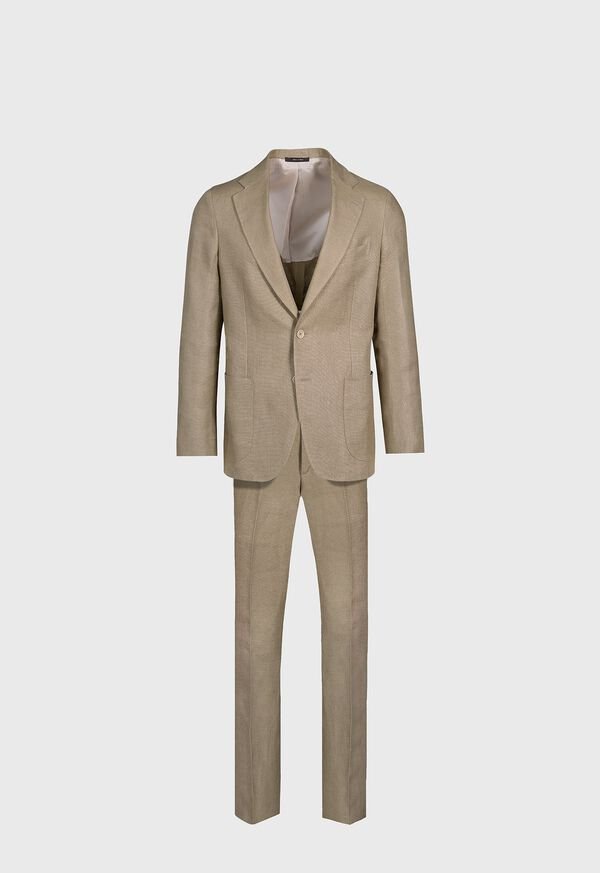
When a linen suit is stored for extended periods, its condition depends heavily on preparation and environmental control. Long-term care is not only about protection—it is about maintaining fabric integrity over time.
Seasonal or long-term storage methods
Before placing a linen suit into long-term storage, proper preparation is essential. Skipping this step often leads to odor retention, permanent stains, or fabric weakening.
A proper pre-storage routine includes:
- Thorough cleaning to remove invisible residues such as sweat or oils
- Ensuring the suit is completely dry before storage
- Treating or removing any visible stains to prevent long-term setting
Once prepared, natural protective elements can be introduced to enhance preservation:
- Cedar blocks to help repel insects and absorb excess moisture
- Lavender sachets for light natural fragrance and moth prevention
- Natural anti-moth alternatives to protect organic fibers
These additions create a stable micro-environment that supports fabric longevity.
Preventing wrinkles in storage
Wrinkle control during storage is largely determined by space management and handling habits. Linen, due to its structure, responds quickly to compression and pressure. Effective prevention strategies include:
- Avoiding overcrowded storage spaces where garments are compressed
- Ensuring suits are not squeezed between heavier fabrics
- Re-hanging garments periodically to reset natural drape lines
This periodic adjustment is particularly important for long-term storage, as it prevents deep-set folds from forming in high-pressure areas such as sleeves and trouser creases.
Humidity control for linen suits
Humidity is one of the most influential factors affecting linen durability, especially in tropical or coastal climates. Excess moisture in the air can weaken fibers and promote unwanted odor retention. To maintain optimal conditions:
- Use dehumidifiers in enclosed closet spaces
- Place silica gel packets strategically to absorb excess moisture
- Store suits in breathable fabric covers rather than sealed environments
Maintaining balanced humidity ensures that linen retains both its texture and structural resilience over time.
Step 5: How to Keep Linen Suit Fresh After Wedding Wear
Even after proper cleaning and storage preparation, maintaining freshness between uses remains an important part of linen care. This ensures the suit is always ready for the next occasion without requiring excessive cleaning cycles.
Deodorizing without washing
Frequent washing is not recommended for linen, as it gradually weakens fibers. Instead, gentle refresh techniques are preferred. Effective methods include:
- Hanging the suit in a shaded outdoor area to naturally air out odors
- Using fabric refresh sprays designed for delicate natural fibers
- Applying light steaming before storage to neutralize lingering scents
Direct sunlight exposure should be avoided during airing, as it can cause uneven fading and reduce fabric vibrancy over time.
Refreshing between uses
Before re-wearing a stored linen suit, a light restoration routine helps restore its original appearance and texture. Recommended steps include:
- Light steaming to relax minor wrinkles and revive fabric flow
- Hanging the suit overnight in a ventilated space to restore freshness
- Gently brushing the fabric surface to remove dust and lift fibers
These simple steps help maintain a refined, well-kept appearance without stressing the fabric.
Common Mistakes to Avoid When Storing Linen Suits
Many issues in linen suit deterioration are not caused by wear, but by incorrect storage habits. Avoiding these common mistakes significantly extends garment lifespan. Frequent errors include:
- Folding suits for long-term storage instead of hanging them
- Using plastic garment covers that trap humidity
- Storing suits without proper cleaning beforehand
- Placing garments in damp or poorly ventilated environments
- Over-ironing linen, which weakens natural fibers and creates shine marks
Each of these mistakes contributes to gradual fabric breakdown and reduces the long-term usability of the suit. Proper awareness and consistent care practices help preserve both structure and aesthetic value.
Expert Tips to Extend the Lifespan of Your Linen Suit

To maximize durability and elegance:
- Rotate suits instead of frequent use of one
- Invest in high-quality hangers
- Always air out after wearing
- Perform regular light maintenance
- Consider tailoring adjustments when needed
These small habits make a big difference in long-term fabric health.
How to Maintain Linen Suit Elegance Over Time?
Linen naturally evolves with wear, but you can maintain its elegance by:
- Avoiding excessive washing
- Using gentle steam care
- Storing in breathable conditions
- Protecting from moisture and heat
With proper care, linen can last for many years without losing its charm.
Conclusion
Knowing How to Store & Care for Linen Suits After a Weddingg is not just about cleaning clothes—it’s about preserving memories, style, and investment. Linen suits are delicate yet durable when treated correctly, and every step—from stain removal to long-term storage—plays a role in their longevity. At Velinzi, we believe that great style doesn’t end after the wedding day. It continues through how you care for what you wear. With the right techniques, your linen suit can remain elegant, fresh, and ready for many more special moments ahead.