Are linen suits too wrinkly for weddings? It’s one of the most common concerns men have when choosing summer wedding attire. You want something breathable, stylish, and appropriate—but not sloppy or overly casual. Linen suits are known for their lightweight comfort and relaxed elegance, yet their tendency to wrinkle often raises doubts. At Velinzi, we’ve seen this question come up again and again—especially from grooms and wedding guests planning outfits for beach weddings, outdoor ceremonies, and destination celebrations. The truth is more nuanced than a simple yes or no.
Yes, linen suits wrinkle easily. But that doesn’t mean they look bad. In fact, when styled correctly, linen’s natural texture becomes part of its charm. In this complete guide, we’ll break down the truth about linen suit wrinkles, when they work (and when they don’t), and how to keep your look sharp from ceremony to reception.
What Makes Linen Suits Wrinkle So Easily?
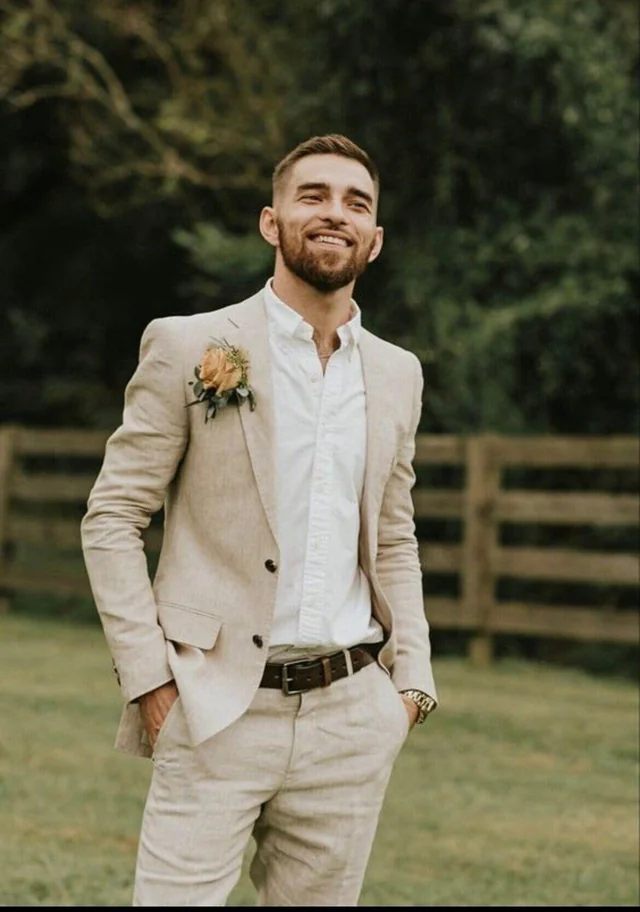
Before deciding whether linen is right for your wedding, it’s important to understand why it wrinkles in the first place. The answer isn’t poor quality—it’s actually rooted in the fabric’s natural structure and what makes linen so desirable for warm-weather suiting.
Natural Fiber Structure Explained
Linen is made from flax fibers, a natural material known for its strength and breathability. However, unlike wool or synthetic fabrics, linen has low elasticity. That means once the fibers bend (from sitting, moving, or folding), they don’t bounce back easily. This is the core reason why:
- Linen suits wrinkle easily
- Creases form quickly during wear
- Fabric doesn’t “recover” like wool
Compared to other suit fabrics:
- Linen vs cotton suit wrinkles Cotton wrinkles too, but less dramatically
- Linen vs wool suit for summer wedding Wool holds structure better
- Linen vs polyester suit breathability Polyester resists wrinkles but traps heat
Why Wrinkles Are Part of Linen’s Identity?
Wrinkles are not a flaw—they’re a feature of linen. The fabric trades sharp structure for:
- Exceptional airflow
- Moisture-wicking properties
- A relaxed, effortless aesthetic
This is why linen is often associated with:
- Beach wedding suits
- Tropical wedding attire
- Warm weather suiting
Linen vs Other Suit Fabrics (Quick Comparison)
| Fabric | Breathability | Wrinkle Resistance | Formality Level |
|---|---|---|---|
| Linen | Excellent | Low | Casual–Semi-formal |
| Cotton | Good | Medium | Semi-formal |
| Wool | Moderate | High | Formal |
| Polyester | Low | Very High | Varies |
Are Wrinkled Linen Suits Acceptable at Weddings?
Before writing off linen entirely, it’s worth understanding how modern dress codes—and real-world styling—actually treat wrinkles. The answer isn’t black and white; it depends on context, execution, and expectations.
The Truth: Wrinkles Are Expected (To a Degree)
So, are linen suits too wrinkly for weddings? Not necessarily. In today’s menswear landscape—especially within summer wedding fashion—a perfectly crisp, wrinkle-free look is no longer the only standard of elegance. Linen operates under a different set of rules. Slight wrinkling is not only acceptable, but often expected. It communicates:
- Natural, high-quality fabric
- Breathable, warm-weather tailoring
- A sense of relaxed, effortless elegance
The distinction that matters is subtle but critical:
- Natural creasing = intentional, stylish texture
- Heavy wrinkling = lack of preparation or poor fit
Understanding this difference is what separates a well-dressed guest or groom from someone who simply looks unpolished.
When Linen Looks Stylish vs Messy?
A linen suit can look exceptionally refined—or noticeably careless—depending on execution.
It looks stylish when:
- The fit is clean and tailored (never overly tight or oversized)
- Wrinkles appear naturally and are lightly distributed
- The fabric has enough weight and structure to hold shape
It starts to look messy when:
- The suit appears heavily crumpled or neglected
- The fit creates tension points or excess bunching
- The material is too thin or low-quality, exaggerating creases
In practice, high-quality linen with proper tailoring will wrinkle more gracefully, creating texture rather than visual noise.
Wedding Type Matters
Linen is not universally appropriate—it shines in specific settings where its strengths align with the environment. Best suited for:
- Beach weddings
- Outdoor summer weddings
- Destination weddings
- Garden ceremonies
- Daytime events
Less appropriate for:
- Black-tie weddings
- Formal evening receptions
- Luxury indoor venues requiring sharp structure
In more formal settings, the natural softness of linen can feel out of place compared to structured fabrics like wool.
Pros and Cons of Linen Suits for Weddings
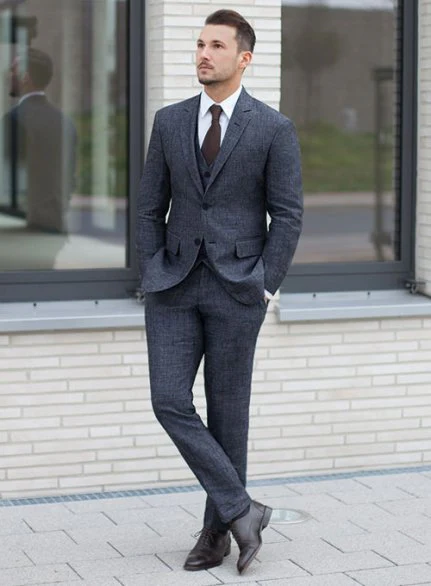
Choosing linen is ultimately about trade-offs. Understanding both sides helps you make a more intentional decision.
Pros
- Exceptional breathability—ideal for hot and humid climates
- Lightweight comfort for long wedding days
- Distinct natural texture that enhances visual interest
- Perfect for relaxed, modern wedding aesthetics
- A strong choice for grooms and guests seeking effortless style
Cons
- Wrinkles easily and continuously throughout the day
- Lacks the sharp structure of traditional wool suits
- Can appear overly casual if not styled correctly
- Requires preparation (steaming, proper storage, handling)
100% Linen vs Linen Blends – Which Wrinkles Less?
Fabric composition plays a major role in how much wrinkling you’ll actually deal with.
100% Linen
- Maximum breathability
- Maximum wrinkling
- Best suited for beach or tropical weddings where formality is lower
Linen Blends (Better Balance): Blended fabrics offer a more controlled version of linen’s character:
- Linen-cotton blends softer feel, reduced wrinkling
- Linen-wool blends improved structure, more formal appearance
- Linen-synthetic blends higher wrinkle resistance, slightly less breathable
Best Choice for Weddings: If minimizing wrinkles is a priority without sacrificing comfort. Linen blends are the most practical option. They provide:
- Better wrinkle resistance
- Improved shape retention throughout the day
- Greater flexibility across different wedding dress codes
How to Prevent Linen Suit Wrinkles? (Before the Wedding)
Most wrinkle-related issues don’t start at the wedding—they start long before. Preparation plays a bigger role than most people realize.
Choose the Right Fit
Fit is the foundation of how a linen suit behaves.
- Overly tight fits create tension wrinkles at stress points
- Loose fits allow excess fabric to fold and crease
- A well-tailored silhouette minimizes both extremes
Choosing between a tailored linen suit vs relaxed fit should depend on the formality of the event—but precision in the shoulders and torso is non-negotiable.
Pick the Right Fabric Weight & Blend
Not all linen fabrics perform the same.
- Mid-weight linen holds structure better than ultra-light versions
- Cheap, thin linen exaggerates wrinkles and loses shape quickly
- Higher-quality blends maintain balance between comfort and appearance
Investing in better fabric significantly reduces visual wrinkling, even if it doesn’t eliminate it.
Proper Storage Before the Event
Handling your suit correctly before the wedding can prevent unnecessary creasing.
- Use wide, structured hangers to support the jacket shape
- Store in breathable garment bags (avoid plastic trapping moisture)
- Avoid folding the suit whenever possible, especially during travel
If traveling, unpack and steam the suit as early as possible to allow the fabric to relax naturally.
Wrinkles in linen suits are not a flaw—they’re a characteristic that needs to be understood and managed. When aligned with the right wedding setting, proper fit, and thoughtful preparation, linen delivers a level of comfort and effortless style that few fabrics can match.
How to Keep a Linen Suit Looking Sharp During the Wedding?
Looking good in linen isn’t about eliminating wrinkles—it’s about controlling how and when they appear. With the right preparation and habits, a linen suit can stay polished from ceremony to reception.
Pre-Event Steaming vs Ironing
When it comes to steaming vs ironing linen, steaming is generally the safer and more effective approach.
- Steaming relaxes fibers without flattening their natural texture
- It removes surface wrinkles while preserving the fabric’s character
- It reduces the risk of shine marks or fiber damage caused by overheating
Ironing, on the other hand, can create a sharper finish—but it comes with trade-offs:
- Too much heat can weaken linen fibers
- Over-pressing removes the soft, natural drape
- Creases can look too rigid for a fabric meant to feel relaxed
For weddings, the goal is balance: Smooth, not stiff
Smart Movement & Sitting Habits
What you do during the event directly affects how your suit looks over time.
- Avoid sitting for extended periods when possible
- Always unbutton your jacket before sitting to prevent tension creases
- When standing, take a second to lightly smooth the front of your jacket and trousers
These small habits make a noticeable difference, especially in photos where wrinkles tend to stand out more.
Quick Fixes for Wrinkles
Even with preparation, wrinkles will appear. The key is knowing how to manage them quickly.
- Use steam from a hot shower to relax fabric fibers
- Apply a light mist of water and smooth with your hands
- Carry a travel-size anti-wrinkle spray for touch-ups
These techniques won’t make linen wrinkle-free—but they can significantly reduce harsh creasing and restore a cleaner look within minutes.
How to Style Linen Suits So Wrinkles Look Intentional?
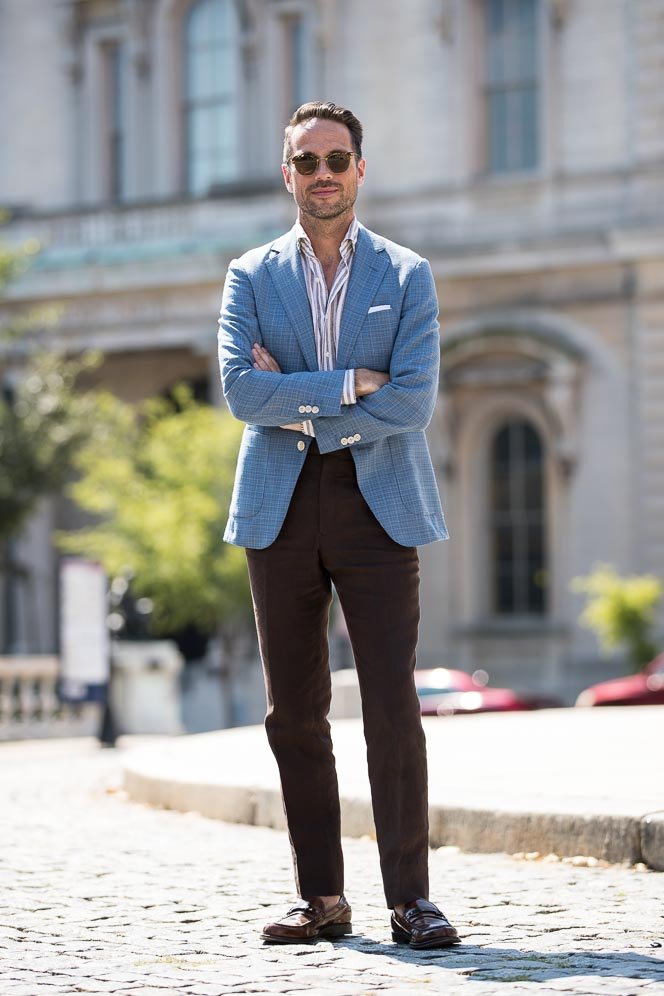
Styling is where linen truly comes to life. When done right, wrinkles don’t look like a problem—they look like part of the aesthetic.
Go for Relaxed Elegance
Linen is not meant to compete with sharply structured wool suits. Its strength lies in a softer, more natural presentation. Instead of trying to fight wrinkles: Work with them as part of the texture. This mindset shift is what separates effortless style from forced formality.
Choose the Right Colors
Color plays a major role in how visible wrinkles appear. Best choices for linen wedding suits:
- Beige linen suit wedding
- Light grey
- Soft blue
- White linen suit groom
These lighter tones diffuse shadows, making wrinkles less noticeable. Darker colors, by contrast:
- Highlight creases more clearly
- Can make the suit appear more worn throughout the day
Pair with the Right Pieces
Linen works best when the entire outfit aligns with its relaxed nature.
- Unstructured blazer instead of heavily padded jackets
- Open collar or lightweight shirt for breathability
- Minimal accessories to avoid visual clutter
- Lightweight loafers or soft leather shoes
This creates a cohesive look where the texture of linen feels intentional—not out of place.
When You Should Avoid Linen Suits for Weddings?
While versatile, linen isn’t suitable for every setting. Knowing when not to wear it is just as important.
Highly Formal or Black-Tie Weddings
Linen lacks the structure and sharpness required for formal dress codes. Better alternatives:
- Wool suits for structured elegance
- Tuxedos for black-tie events
Cold Weather or Indoor Luxury Venues
Linen is designed for heat and airflow. In colder or highly formal environments, it can feel mismatched. Avoid linen in:
- Winter weddings
- Ballroom or luxury indoor venues
When You Need a Crisp, Structured Look?
If your priority is:
- Clean lines
- Minimal wrinkling
- A sharp, polished silhouette
Then linen may not deliver the result you’re aiming for.
Best Linen Suit Options for Weddings (Buyer’s Guide)
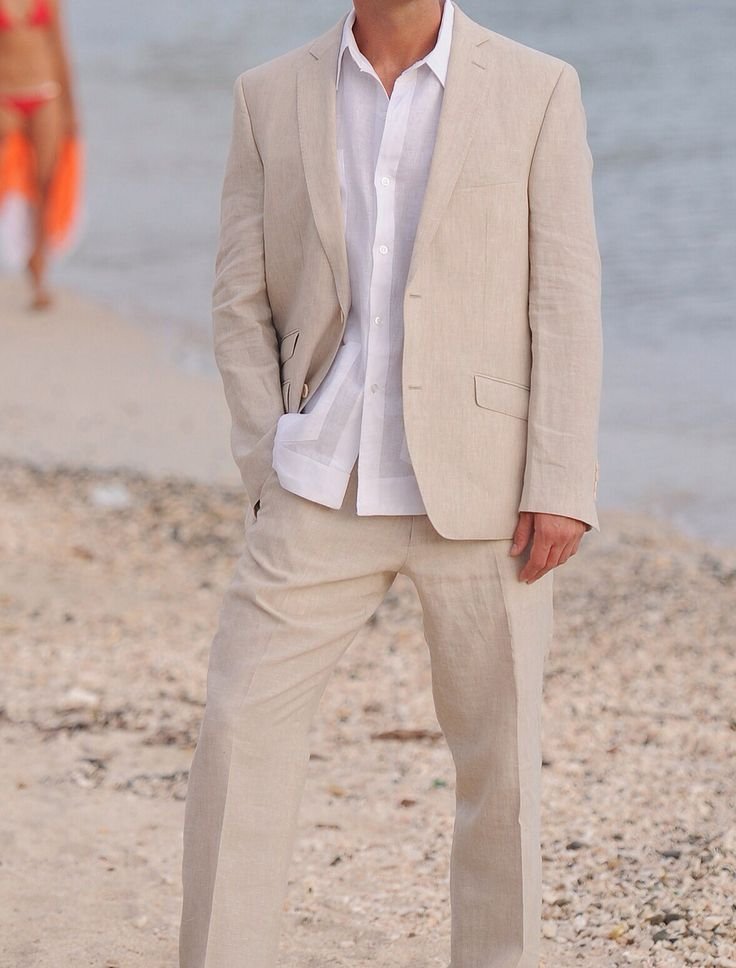
Choosing the right linen suit is less about brand names and more about understanding construction, fabric, and fit.
What to Look For?
- Fabric composition: 100% linen vs blends
- Fit: structured enough to hold shape, relaxed enough for comfort
- Construction quality: stitching, lining, and finishing details
- Breathability: especially important for hot and humid climates
Recommended Types
- Linen-cotton suits a practical, budget-friendly option with reduced wrinkling
- Linen-wool suits more refined, offering better structure and formality
- Structured linen suits ideal for those who want a cleaner silhouette without losing comfort
When researching options, focus on terms like:
- Best linen suits for weddings
- Wrinkle resistant linen suits
- Italian linen suits wedding
- Irish linen suits quality
These categories often indicate higher-quality fabrics and better overall construction.
Common Mistakes to Avoid
Even the best linen suit can fall short if the fundamentals are overlooked. Most styling issues don’t come from the fabric itself—but from how it’s chosen, prepared, and worn.
- Choosing 100% linen for formal weddings: Pure linen offers maximum breathability, but also maximum wrinkling and minimal structure. For formal or evening weddings, this often creates a mismatch in dress code. A linen blend or structured alternative would be more appropriate.
- Ignoring tailoring: Fit is the single most important factor in how linen looks. Without proper tailoring, wrinkles appear exaggerated—either from excess fabric or tension points. A well-fitted suit naturally controls how creases form and fall.
- Skipping steaming or preparation: Linen should never go straight from storage to the event. Failing to steam the suit beforehand results in deep-set wrinkles that are much harder to manage during the day.
- Wearing heavy or overly formal accessories: Linen has a relaxed character. Pairing it with heavy ties, thick fabrics, or excessive accessories creates visual imbalance and makes wrinkles stand out more.
- Expecting a wrinkle-free look: This is the most common misconception. Linen is not designed to stay perfectly crisp. Expecting it to behave like wool or synthetic fabrics often leads to poor styling choices and disappointment.
FAQs About Linen Suits and Wrinkles
Before making a final decision, it helps to address the most common concerns around linen and how it performs in real wedding scenarios.
Are linen suits too wrinkly for weddings?
No—linen suits wrinkle by nature, but that doesn’t make them unsuitable. When styled properly, those wrinkles read as texture rather than messiness, especially in outdoor or summer weddings.
Can linen suits look formal?
Yes, but only under the right conditions:
- Proper tailoring that sharpens the silhouette
- Structured or blended fabrics that hold shape better
- Neutral, refined colors that elevate the overall look
Without these elements, linen leans more casual.
How do you keep linen wrinkle-free all day?
You don’t eliminate wrinkles—you manage and minimize them. Preparation (steaming), smart movement, and quick touch-ups throughout the day are what keep the suit looking controlled rather than creased.
Are linen suits good for humid climates?
Absolutely. Linen is one of the best-performing fabrics for hot and humid environments due to its breathability and moisture-wicking properties. While it wrinkles more, the comfort it provides often outweighs that drawback.
Conclusion
So, are linen suits too wrinkly for weddings? The honest answer is: they wrinkle—but that’s exactly what makes them special. Linen represents a different kind of elegance. Not stiff, not overly polished, but relaxed, breathable, and effortlessly stylish. The key isn’t to eliminate wrinkles—it’s to understand them, manage them, and style around them. At Velinzi, we believe the best wedding outfits strike a balance between comfort and confidence. When you choose the right fabric, fit, and styling approach, a linen suit can be one of the best choices you make—especially for summer and destination weddings. Embrace the texture. Dress smart. And let your style feel as good as it looks.