When it comes to wedding style, nothing elevates your appearance faster than a perfectly tailored suit. Fabric matters—but fit defines everything. And when you’re wearing linen, that truth becomes even more important. Linen is breathable, lightweight, and effortlessly elegant, making it a top choice for summer, beach, and destination weddings. However, it also wrinkles easily and lacks the rigid structure of heavier fabrics, which means tailoring plays a critical role.
At Velinzi, we believe mastering “How to Tailor a Linen Suit for the Perfect Wedding Fit” is the key to balancing comfort, sophistication, and confidence on your big day. Whether you’re a groom, groomsman, or guest, this complete guide will walk you through everything—from measurements and fit styles to alterations, body types, and expert tailoring tips.
Why Tailoring a Linen Suit Is Essential for Weddings?

A linen suit straight off the rack rarely delivers the polished look required for a wedding. Unlike wool suits, linen drapes more loosely, making improper fit even more noticeable.
Off-the-Rack vs Tailored Linen Suit:
- Off-the-rack linen suit:
- Generic sizing
- Excess fabric leading to wrinkles
- Poor proportions
- Tailored linen suit:
- Customized to your body
- Clean silhouette
- Better drape and movement
Benefits of Proper Fit:
- Enhances posture and confidence
- Looks sharp in wedding photos
- Reduces excessive wrinkling
- Improves comfort during long events
Linen-Specific Challenges:
- Soft structure needs precise tailoring
- Wrinkles easily poor fit worsens it
- Lightweight fabric exaggerates flaws
Understanding Linen Fabric Before Tailoring
Before diving into alterations, it’s essential to understand how linen behaves in real-world wear—not just on a hanger, but through hours of movement, heat, and humidity at a wedding.
Key Characteristics of Linen
Linen stands apart from other suiting fabrics, and these traits directly impact how it should be tailored:
- Lightweight and breathable ideal for summer, outdoor, and beach weddings
- Natural fiber with visible texture gives a relaxed, organic aesthetic
- Highly absorbent keeps you cool but can show moisture if the fit is too tight
Unlike wool, linen doesn’t “hold shape” as firmly. That’s why tailoring isn’t about forcing structure—it’s about guiding the fabric.
How Linen Affects Fit?
Understanding these behaviors helps avoid common tailoring mistakes:
- Wrinkles easily tight fits create tension points, leading to heavy creasing
- Softens over time the suit may slightly loosen after a few wears
- Less structure relies more on cut and proportions than internal padding
An experienced approach recognizes that linen looks best when it feels natural, not forced into stiffness.
Tailoring Implications
These fabric traits translate into specific tailoring strategies:
- Avoid overly slim or restrictive fits that fight the fabric
- Focus on a clean, natural drape rather than sharp rigidity
- Prioritize airflow, especially around the chest, back, and thighs
A well-tailored linen suit should move with the body, not against it.
Step-by-Step Guide to Tailoring a Linen Suit
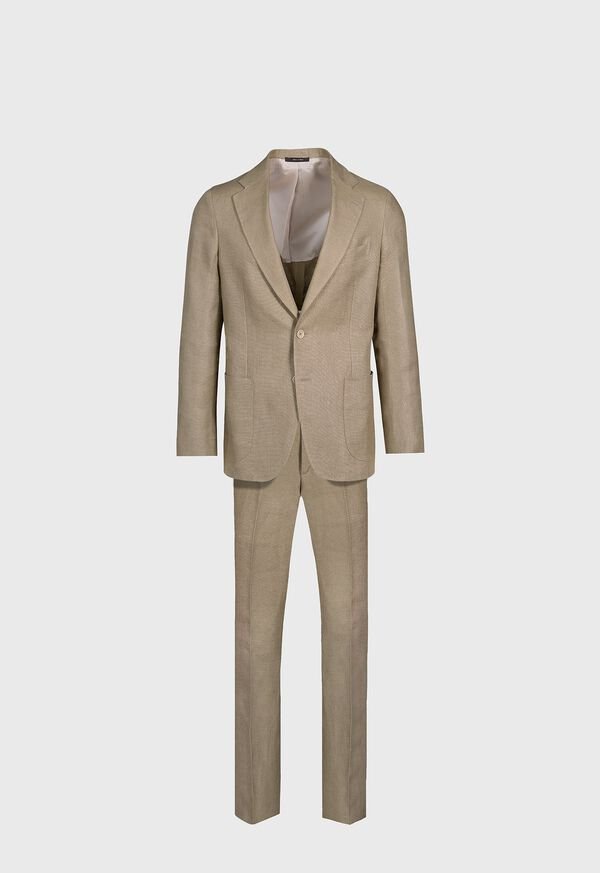
This section simplifies the tailoring process into clear, practical steps—helping you achieve both precision and comfort for a wedding setting.
Step 1 – Get Accurate Measurements
Precise measurements are the foundation of a well-fitted linen suit, especially since linen tends to reveal even small fitting errors. Focus on key areas like chest, shoulders, waist, hips, inseam, and sleeve length. For best results, measure while wearing a dress shirt and maintain a natural posture. If possible, use a professional service to ensure accuracy, as this reduces the need for major alterations later.
Step 2 – Choose the Right Fit Style
The fit you choose shapes your entire look and should match both your body type and the wedding setting. Slim fit offers a clean, modern silhouette but requires careful tailoring to avoid tension lines. Modern fit provides a balanced approach with slight relaxation, making it the most versatile option. Classic fit leans toward comfort and breathability, ideal for beach or outdoor weddings. With linen, a slightly relaxed fit often looks more natural and refined than an overly tight one.
Step 3 – Perfect the Jacket Fit
The jacket is the most critical element of the suit, as it defines overall structure. Shoulder fit must be exact from the start, sitting naturally without pulling or overhang, since it’s difficult to alter. The jacket length should cover the seat while maintaining proportion, and sleeve length should reveal about half an inch of shirt cuff. A subtle taper at the chest and waist adds shape without restricting movement, allowing the fabric to drape cleanly.
Step 4 – Tailor the Trousers Correctly
Well-fitted trousers create balance and polish the overall look. The waist should feel secure yet comfortable, sitting naturally without relying too much on a belt. Leg shape can be tapered for a modern appearance or straight for a more classic feel. Choosing the right trouser break is also important—no break for a sharp, contemporary style or half break for a safer, wedding-appropriate option. Proper hemming ensures the trousers fall cleanly without bunching.
Step 5 – Adjust for Comfort and Movement
A wedding involves constant movement, so your suit must feel as good as it looks. Test the fit by sitting, standing, raising your arms, and walking naturally. Pay attention to areas like the shoulders, upper back, and thighs to ensure there’s no tightness or restriction. A properly tailored linen suit should move effortlessly with your body, maintaining both comfort and a polished appearance throughout the day.
Key Alterations Every Linen Suit May Need
Even a high-quality linen suit rarely fits perfectly off the rack—strategic alterations are what refine the silhouette and make the suit wedding-ready.
Common Alterations
Most linen suits require a few essential adjustments to improve fit and balance. Taking in or letting out the waist ensures the jacket and trousers sit cleanly without excess fabric or tightness. Sleeve shortening is another frequent alteration, helping achieve the ideal proportion with a visible shirt cuff.
Trouser tapering refines the leg line, preventing a boxy appearance, while jacket waist suppression (darts) adds subtle shape without compromising comfort. These alterations work together to enhance drape, which is especially important for a soft fabric like linen.
Difficult or Impossible Alterations
Not all parts of a suit can be easily adjusted. The shoulders, for example, are extremely difficult and costly to alter, making initial fit critical. Jacket length can only be modified slightly without affecting overall proportions. This is why selecting the right base size is just as important as the tailoring itself—alterations should refine, not completely reconstruct, the garment.
Timeline
Timing plays a crucial role in achieving the perfect fit. The first fitting should ideally happen 3–4 weeks before the wedding, allowing enough time for adjustments and refinements. A final fitting about one week prior ensures everything sits correctly and accommodates any last-minute changes. Rushing alterations often leads to compromised results, especially with linen.
Tailoring Tips Based on Body Type
A well-tailored linen suit should complement natural body proportions rather than fight against them—this is where experienced tailoring makes a visible difference.
- Slim Body Type: For slimmer frames, the goal is to add subtle structure without over-tightening. Slight padding in the shoulders can create balance, while avoiding overly slim cuts prevents the fabric from clinging and wrinkling excessively.
- Athletic Build: Athletic bodies often require extra room in the chest and thighs while maintaining a tapered waist for definition. The key is balancing mobility with shape, ensuring the suit doesn’t feel restrictive during movement.
- Bigger or Broad Body: For broader builds, a relaxed yet structured fit works best. Linen should skim the body rather than cling to it, as tight fabric emphasizes wrinkles and discomfort. Clean lines and proper drape are more flattering than aggressive shaping.
- Short Men: Proportion is essential for shorter frames. Higher-rise trousers can elongate the legs, while a slightly shorter jacket helps avoid a compressed look. Every adjustment should aim to create visual height.
- Tall Men: Taller individuals benefit from maintaining balanced proportions. Avoid overly long jackets or trousers that exaggerate height. Instead, focus on a clean, controlled silhouette that keeps the overall look cohesive.
Tailoring for Different Wedding Types
The ideal linen suit fit also depends on the wedding setting—tailoring should adapt to both environment and level of formality.
- Beach Wedding Linen Suit Fit: Beach weddings call for a relaxed, breathable approach. Unstructured jackets, softer shoulders, and looser fits allow airflow and movement. Light colors enhance the casual, sun-friendly aesthetic while maintaining elegance.
- Formal Wedding Linen Suit Fit: For formal settings, tailoring should introduce more structure and precision. Cleaner lines, sharper fits, and controlled proportions help elevate linen into a more refined look, minimizing the appearance of wrinkles.
- Outdoor/Summer Wedding Fit: Outdoor and summer weddings require a balance between style and practicality. Lightweight construction, breathable tailoring techniques, and comfort-focused adjustments ensure the suit performs well in heat while still looking polished.
Common Linen Suit Tailoring Mistakes to Avoid
Linen is less forgiving than structured fabrics, so small tailoring mistakes can quickly become noticeable in both fit and appearance.
One of the most common errors is choosing an overly tight fit. While a slim silhouette may seem modern, linen reacts poorly to tension—resulting in excessive wrinkling and visible strain lines. Ignoring shoulder fit is another critical mistake, as this area is difficult to alter and directly affects the entire structure of the jacket. Skipping tailoring altogether often leads to a boxy, unrefined look, especially with linen’s naturally relaxed drape.
Incorrect trouser length can also disrupt the overall balance, either appearing sloppy (too long) or awkwardly cropped (too short). Finally, not testing movement before finalizing the fit can lead to discomfort during the event, particularly in areas like the shoulders, back, and thighs.
When and Where to Tailor Your Linen Suit?
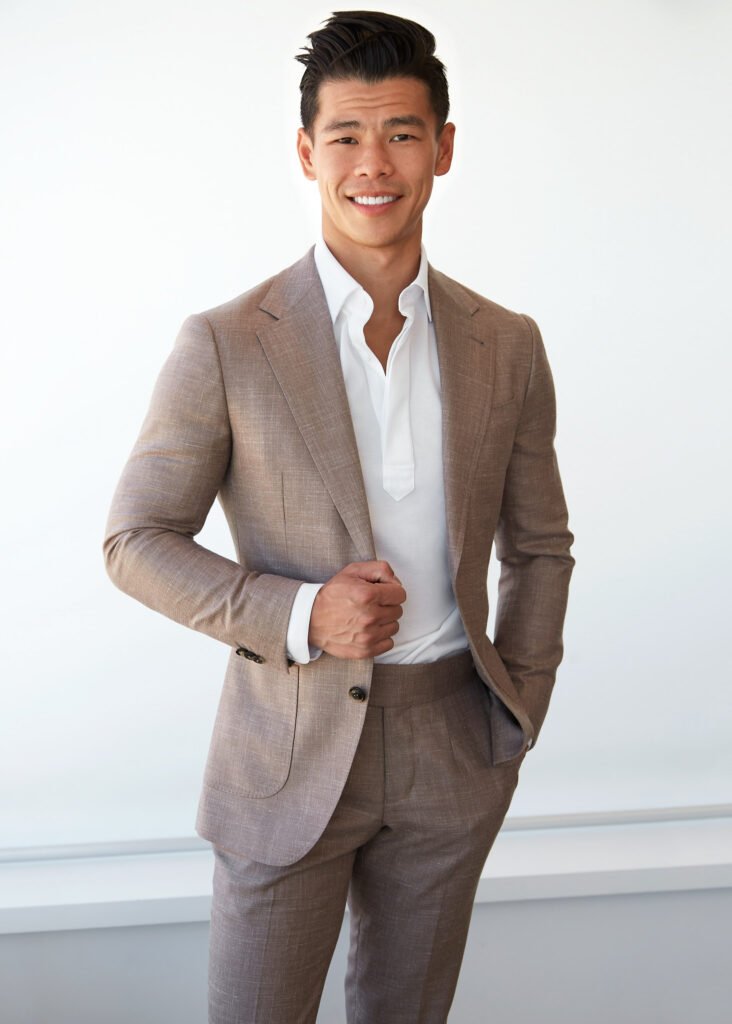
Choosing the right tailoring approach and timing ensures the suit performs well both visually and functionally on the wedding day.
- Options: There are several tailoring routes, each offering different levels of customization. A professional tailor is ideal for standard alterations and fit adjustments. Made-to-measure provides a more personalized fit based on your measurements, while bespoke tailoring delivers a fully customized garment built from scratch, offering the highest level of precision and craftsmanship.
- Cost Expectations: Costs vary depending on the level of tailoring. Basic alterations are generally affordable and sufficient for minor adjustments. Full tailoring requires a higher investment but significantly improves fit and appearance. Bespoke suits represent a premium option, combining fit, fabric choice, and construction into a fully tailored experience.
- Timing Tips: Starting early is essential. Initial fittings should be scheduled weeks in advance to allow time for multiple adjustments. Avoid last-minute changes, as rushed tailoring often leads to compromised results—especially with linen, where precision is key.
Styling a Tailored Linen Suit for a Wedding
Once tailored correctly, styling completes the look and ensures the suit aligns with the wedding’s tone and setting.
- Shirt Pairing: A lightweight cotton or linen shirt works best, complementing the breathable nature of the suit. Proper shirt fit is crucial, as excess fabric can disrupt the clean lines of the jacket.
- Footwear Choices: Footwear should match the formality of the event. Loafers offer a relaxed, stylish option for casual or outdoor weddings, while Oxfords provide a more formal and polished appearance. For beach weddings, sandals can work if styled thoughtfully within the setting.
- Accessories: Accessories should enhance, not overpower. A pocket square adds a refined touch, while a minimal tie—or no tie—keeps the look seasonally appropriate. Choosing between a belt or suspenders depends on the overall style direction and fit of the trousers.
- Color Coordination: Neutral tones create a timeless and elegant look, while lighter shades such as beige, cream, or pastel tones are ideal for summer weddings. The goal is to maintain harmony between all elements without overcomplicating the outfit.
FAQs: How To Tailor A Linen Suit For The Perfect Wedding Fit?
These common questions address practical concerns when preparing a linen suit for a wedding.
How tight should a linen suit be?
A linen suit should be fitted but never restrictive. The fabric needs space to move and breathe, which helps reduce wrinkling and improves comfort.
Can a linen suit be altered easily?
Most areas can be adjusted, such as the waist or sleeves, but structural elements like shoulders are difficult to modify and should fit correctly from the start.
Should linen suits be fitted or loose?
A modern, slightly relaxed fit works best. It balances structure with the natural drape of the fabric.
How long does tailoring take?
Typically between 1–3 weeks, depending on the complexity of the alterations and the tailor’s schedule.
Is bespoke worth it?
For weddings, bespoke tailoring offers the highest level of fit and personalization, making it a worthwhile investment for those seeking a flawless result
Conclusion
Mastering “How to Tailor a Linen Suit for the Perfect Wedding Fit” is about balancing structure, comfort, and style. Linen is a unique fabric—it rewards thoughtful tailoring and punishes poor fit. From precise measurements and proper alterations to body type adjustments and wedding-specific styling, every detail contributes to your final look. At Velinzi, we always emphasize that the perfect wedding suit isn’t just about looking good—it’s about feeling confident, comfortable, and completely yourself. Invest in the right tailoring, and your linen suit will not only fit perfectly but also leave a lasting impression on one of the most important days of your life.